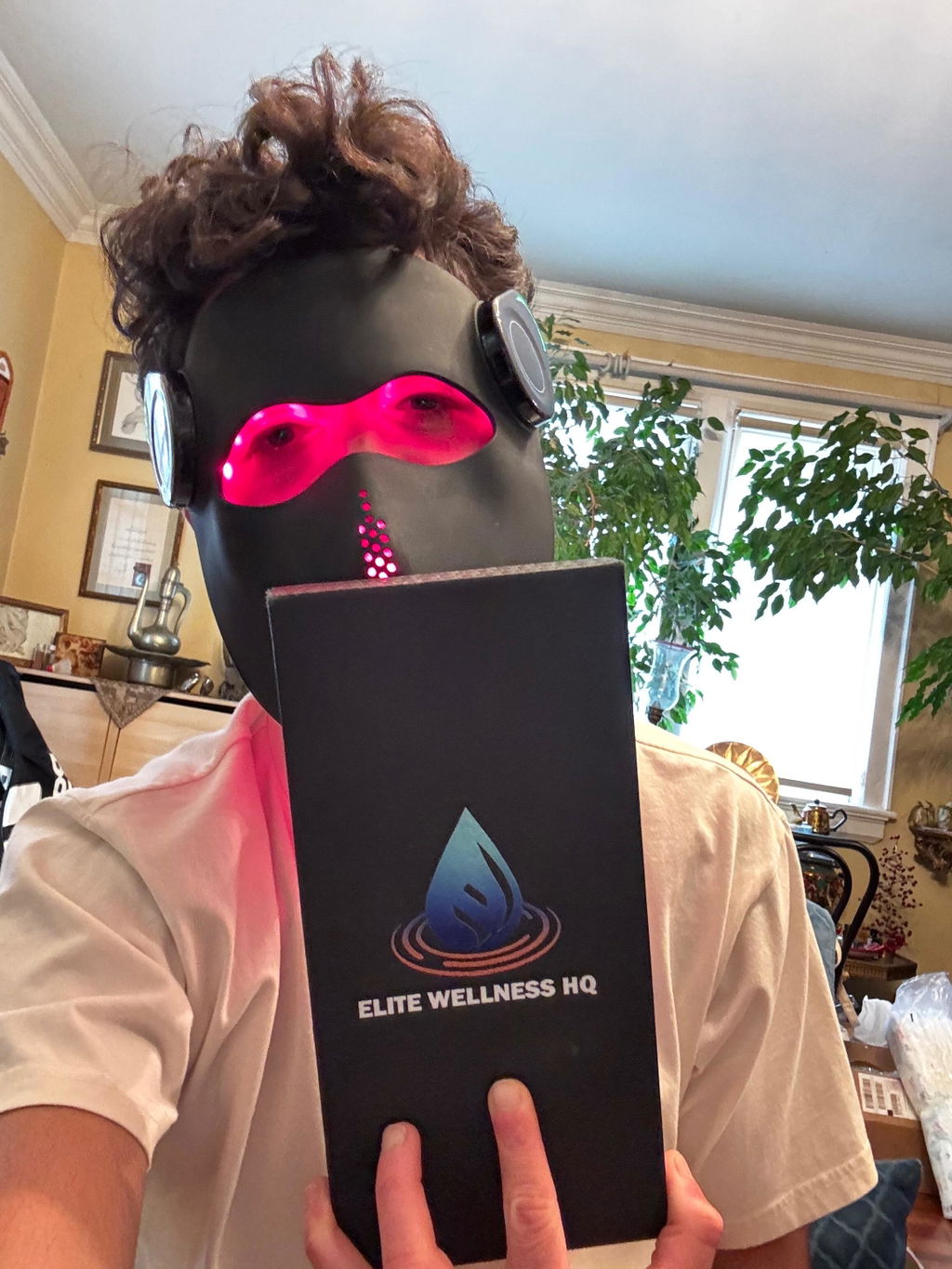
Athletes and active adults
People building a consistent recovery routine around training, sleep, and nutrition.

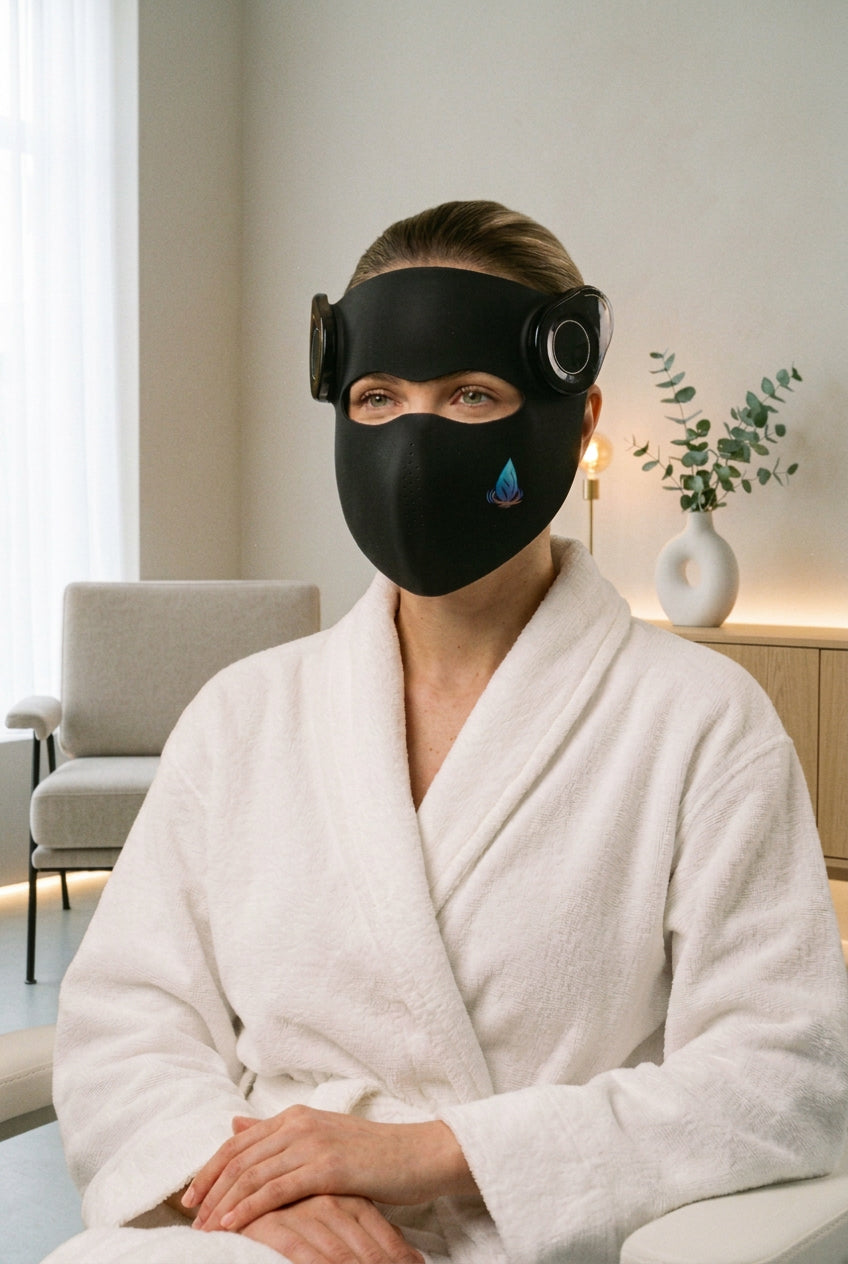

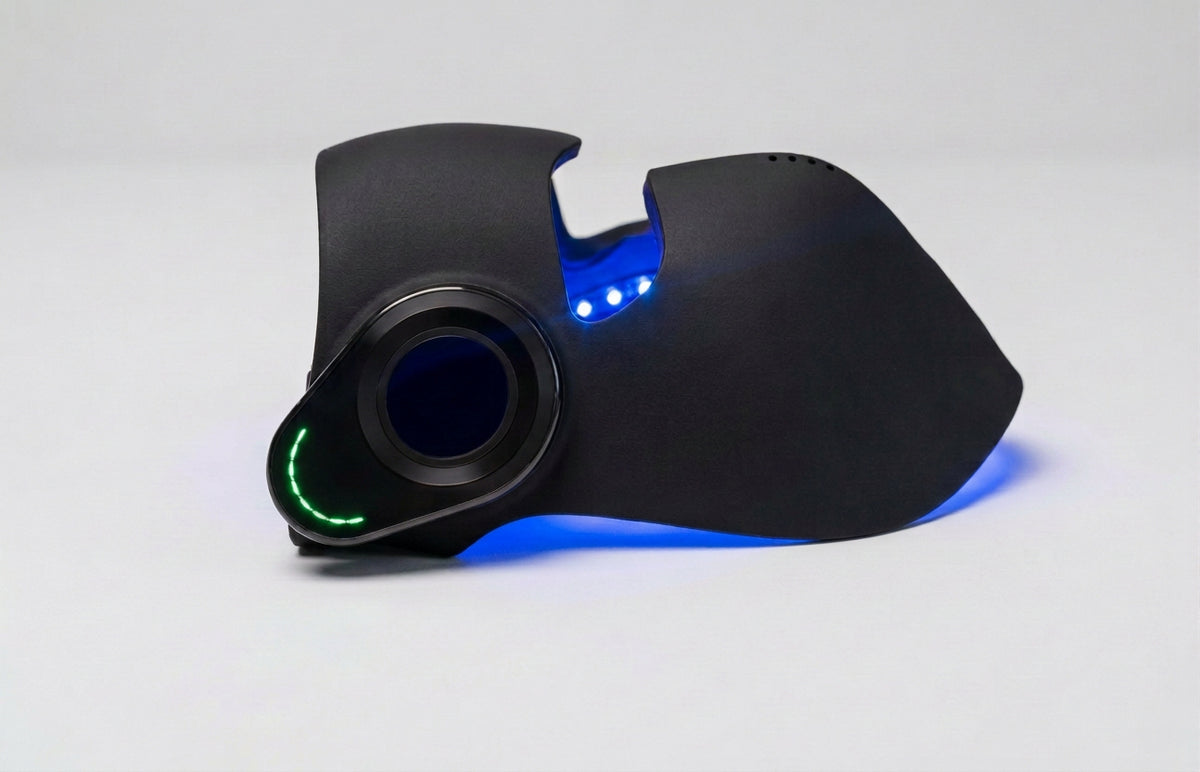


Choose Your ELEV8 Aura
The supplied manual applies to both Standard and Pro. Select an option to see its current price, and contact us before ordering if you need help comparing versions or confirming package contents.
Specifications
Use & Care
Choose options
ELEV8 Aura
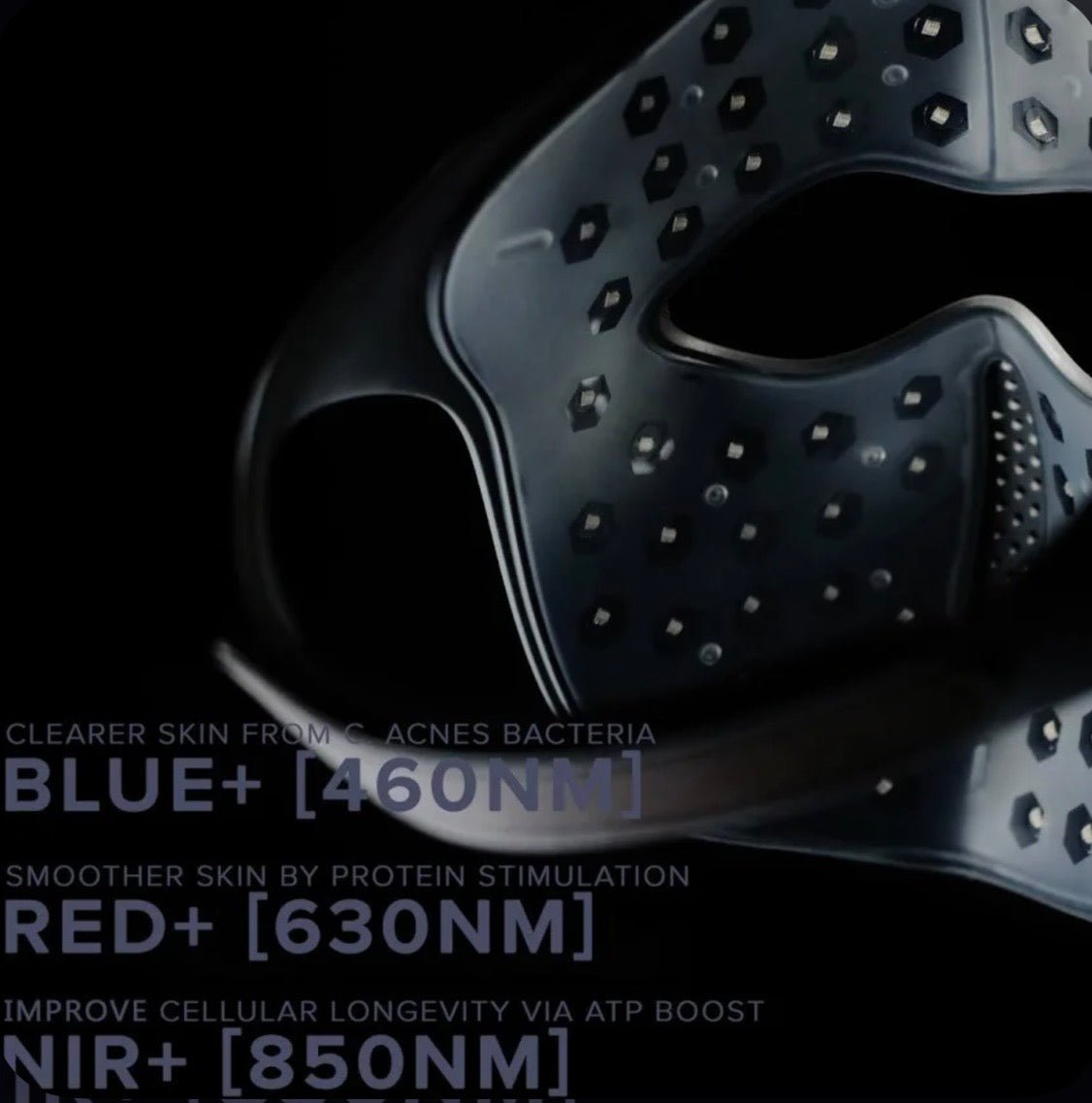
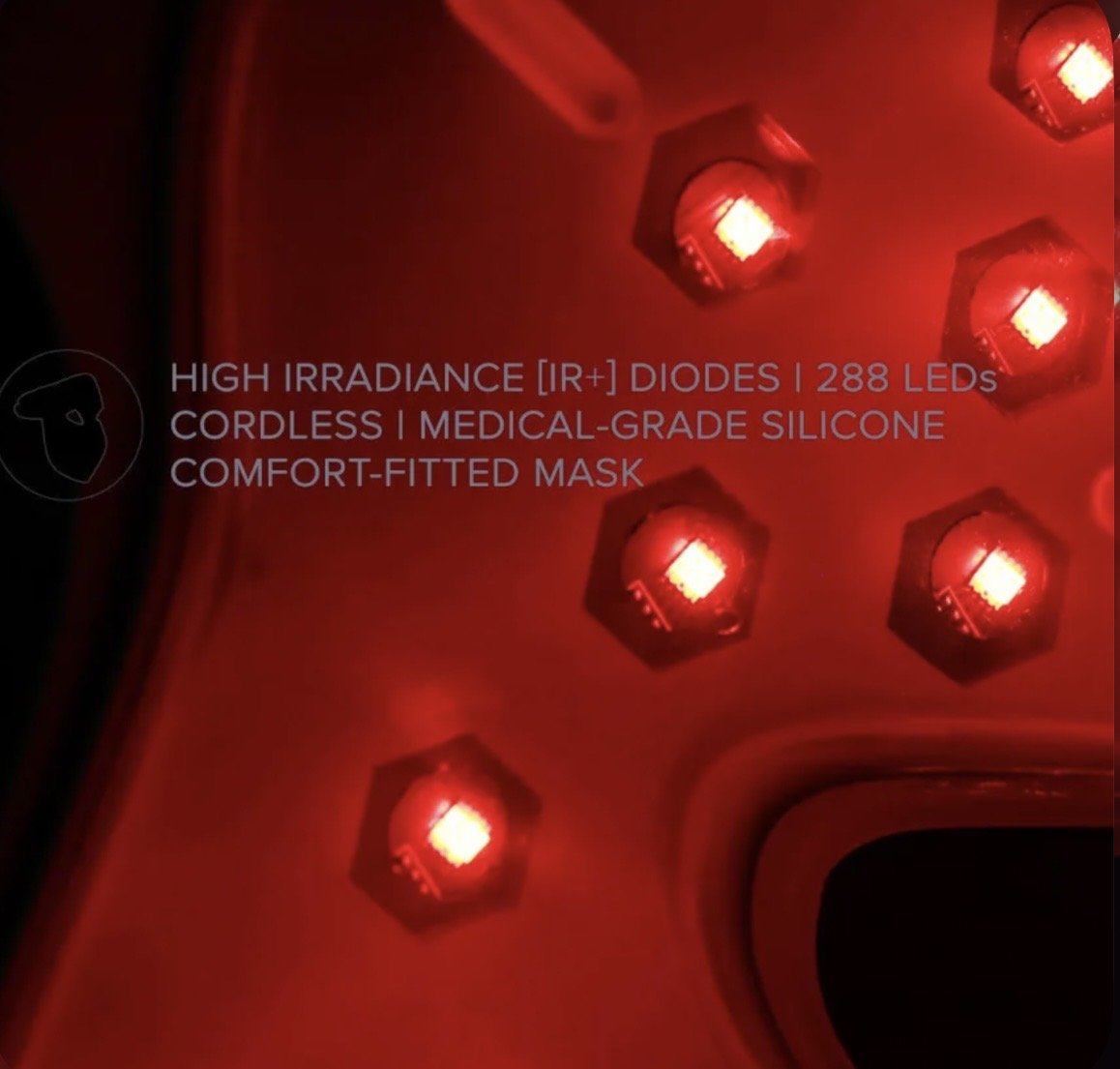
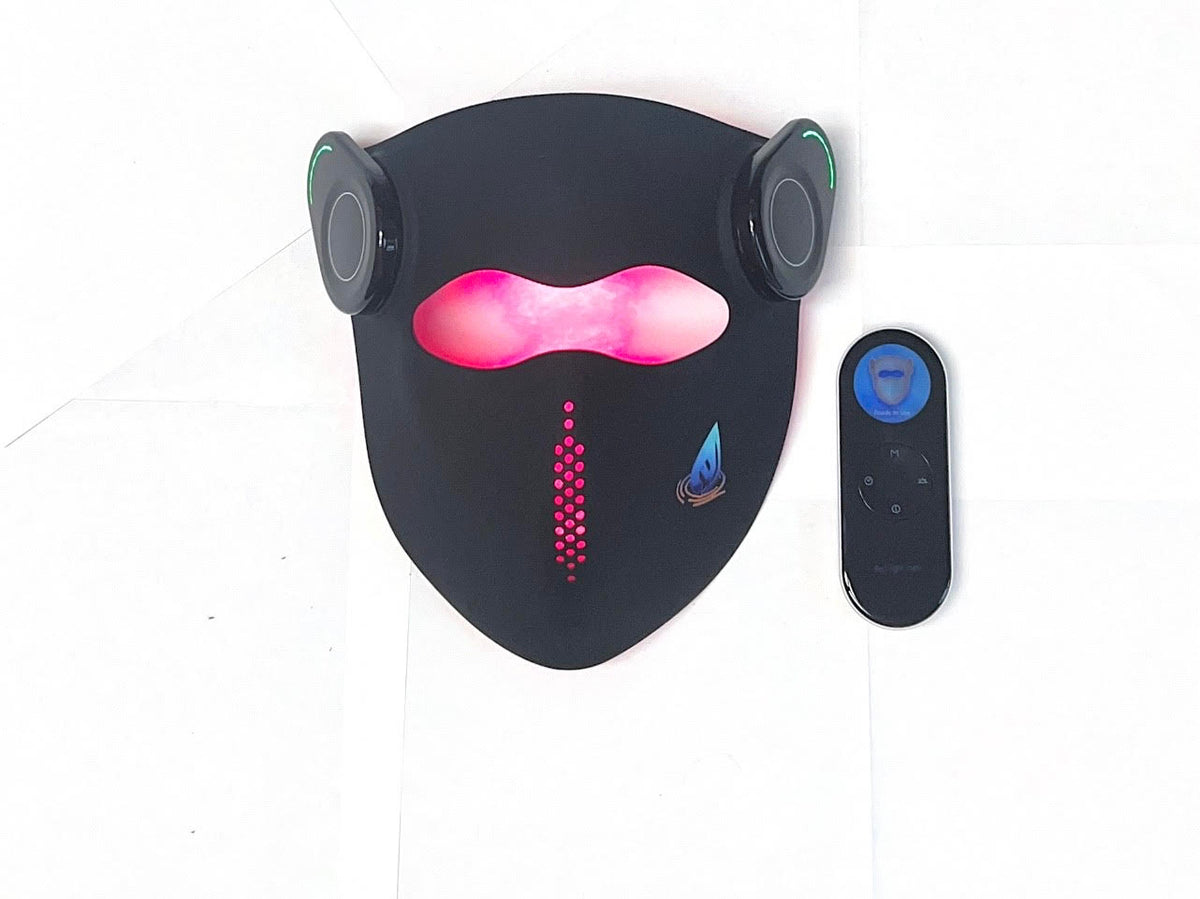
Choose between red light with near-infrared or blue light with near-infrared. Set one of three brightness levels and select a 5-, 10-, or 15-minute timer.
Explore your options
The manual lists wavelengths of 460 nm, 665 nm, 850 nm, and 1064 nm.
Red and near-infrared wavelengths travel to different depths. Wavelength, irradiance, distance, and time determine the delivered dose.
Cellular chromophores absorb photons, initiating signaling pathways rather than heating or damaging tissue.
The interaction can influence mitochondrial activity and cellular energy availability—the basis of photobiomodulation.
Downstream signaling may influence circulation, inflammatory pathways, tissue repair, and collagen synthesis. Outcomes depend on condition and protocol.
Moving closer increases irradiance; moving farther away reduces it.
More time is not automatically better. Dose has a useful range.
Follow the manufacturer's schedule and track your response.
Keep clothing and reflective barriers out of the treatment path.
Unplug first and use only the cleaning method in the manual.
Use eye protection whenever the manufacturer recommends it. Photosensitizing medications and specific medical conditions can change suitability—consult a qualified clinician before use.
Individual results vary. This section explains photobiomodulation generally; it does not prove that every outcome applies to this device. Follow the product manual and your clinician's guidance.
The best purchase is an informed one. Here is who tends to get the most value—and who should pause before buying.
People building a consistent recovery routine around training, sleep, and nutrition.
Adults seeking a non-invasive wellness tool and realistic, protocol-based expectations.
People who value an at-home routine that avoids recurring clinic travel.
Users prepared to record frequency, distance, and changes over several weeks.
Photobiomodulation is dose- and consistency-dependent. Outcomes vary and some users may notice little change.
An excellent device cannot compensate for a protocol that is rarely followed.
This is not a substitute for diagnosis, prescribed treatment, or urgent care.
Certain medications and conditions require a clinician's advice before light exposure.
This guide does not replace medical advice. If you have a diagnosed condition, take photosensitizing medication, are pregnant, or are under active medical care, ask your clinician before starting a light-therapy protocol.
The right choice depends on dose transparency, coverage, support, budget, and how consistently you will use it—not on the largest marketing number.
| What to compare | Low-cost panel | Premium home system | Professional clinic |
|---|---|---|---|
| Dose transparency | Often limited or difficult to verify | Published wavelengths, irradiance, and treatment guidance | Clinician-selected equipment and protocol |
| Coverage | Usually small or uneven | Varies by model; can support targeted or broad exposure | Varies by clinical system |
| Convenience | At home | At home, available on your schedule | Appointments and travel required |
| Cost model | Low upfront cost | Higher upfront cost; no per-session fee | Lower upfront cost; recurring per-session fees |
| Support | Marketplace-dependent | Confirm support and coverage terms for the specific product before ordering. | Direct professional supervision |
| Best for | Basic experimentation with verified specs | Consistent, private, long-term home use | People who need professional oversight |
General comparison only. Verify specifications, warranty, testing, and treatment instructions for the exact model under consideration.
We summarize what human evidence suggests, identify its limits, and link to original sources. Evidence varies by condition and protocol.
This umbrella review synthesized 15 meta-analyses covering 204 randomized trials and more than 9,000 participants. Moderate-certainty evidence supported several outcomes, while most others remained low or very low certainty.
What this does not prove: A positive result for a condition does not establish the correct dose for this product. Heterogeneity and small-study effects lowered confidence for many outcomes.
Thirty-six studies involving 966 patients were included. Pooled analyses favored red and infrared photobiomodulation for androgenetic alopecia.
What this does not prove: Devices, wavelengths, and protocols differed. This evidence does not mean every panel is designed or cleared to treat hair loss.
This review describes proposed cellular mechanisms and summarizes dermatology applications, including wound care, inflammatory conditions, and skin rejuvenation.
What this does not prove: This is a broad narrative review. Evidence quality and treatment parameters differ by application.
Ten studies in older adults were included. All reported good compliance and safety, while efficacy was mixed across conditions.
What this does not prove: Only ten heterogeneous studies qualified, and the authors called for harmonized treatment parameters and further trials.
A 21-member multidisciplinary panel used a systematic search and Delphi process to develop guidance. The panel described PBM as a safe modality for adults and identified supported clinical applications.
What this does not prove: Consensus guidance is not device-specific and does not eliminate the need to follow contraindications and manufacturer protocols.
Clear answers, honest limits
Device-specific instructions always take priority over general guidance.
The manual lists 460 nm, 665 nm, 850 nm, and 1064 nm.
The manual lists red light with near-infrared and blue light with near-infrared modes.
The available timer settings are 5, 10, and 15 minutes. For first use, start with a 5-minute test and do not exceed 20 minutes per day. Follow the supplied manual for mode-specific schedules.
No. The manual says not to use the device while charging.
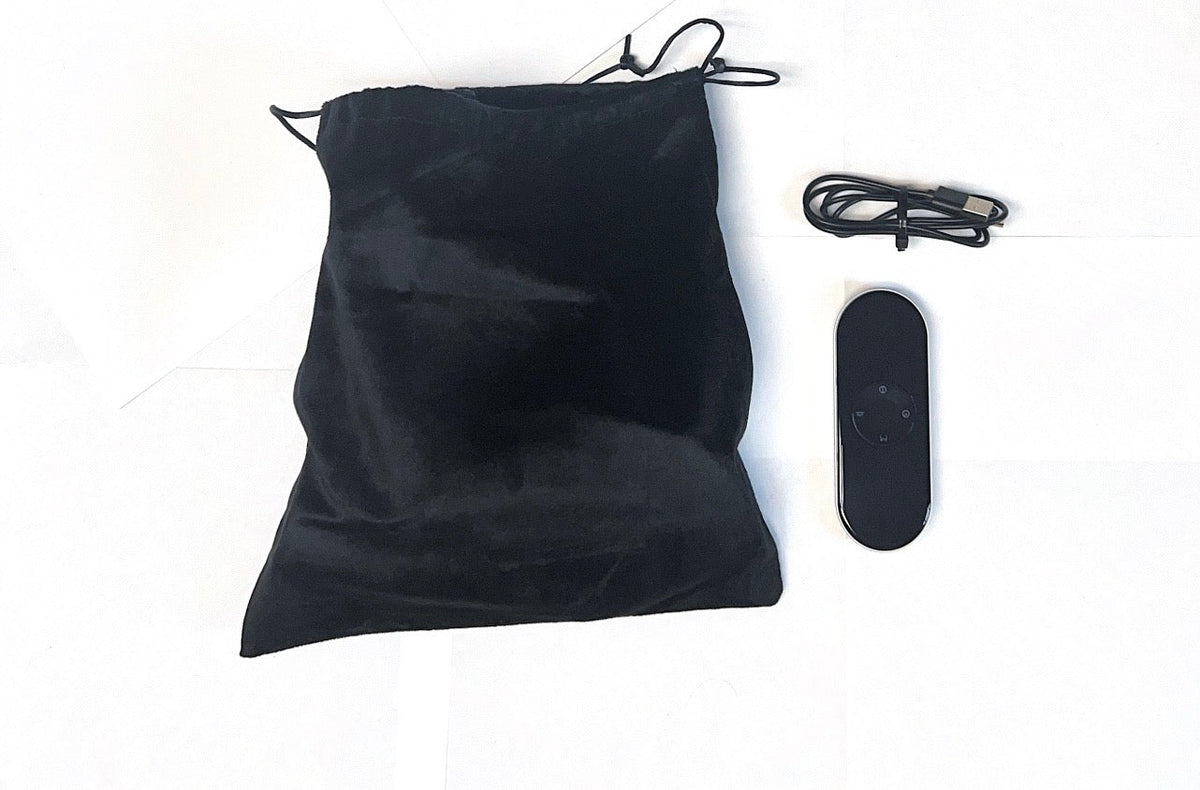
The manual lists an 1800 mAh battery, USB-C charging, and an approximate 3-hour charging time.
Runtime depends on brightness. The manual describes about four 10-minute sessions at low brightness or three 10-minute sessions at high brightness. Actual runtime varies.
The manual says the device is not suitable for people with pacemakers or similar devices. Keep it away from water, heat, and children, and do not use it if damaged. Refer to the supplied manual for complete instructions.
The supplied manual applies to both versions but does not document differences between them. Contact us before ordering if you need help comparing versions or confirming package contents.
We focus on transparent specifications, education, and responsive support so you can choose the right system and use it properly.
We focus on established manufacturers and publish the specifications that affect real-world use.
We distinguish mechanisms, human evidence, limitations, and device-specific claims.
Ask us to confirm product specifications and terms before ordering.
Ask about fit, installation, lead times, protocol, or specifications before buying.
Encrypted Shopify checkout and established payment providers protect your transaction.
We will tell you what the evidence supports, what remains uncertain, and when to ask a clinician.
Review the specifications and protocol above. If anything is unclear, ask us before you purchase.