





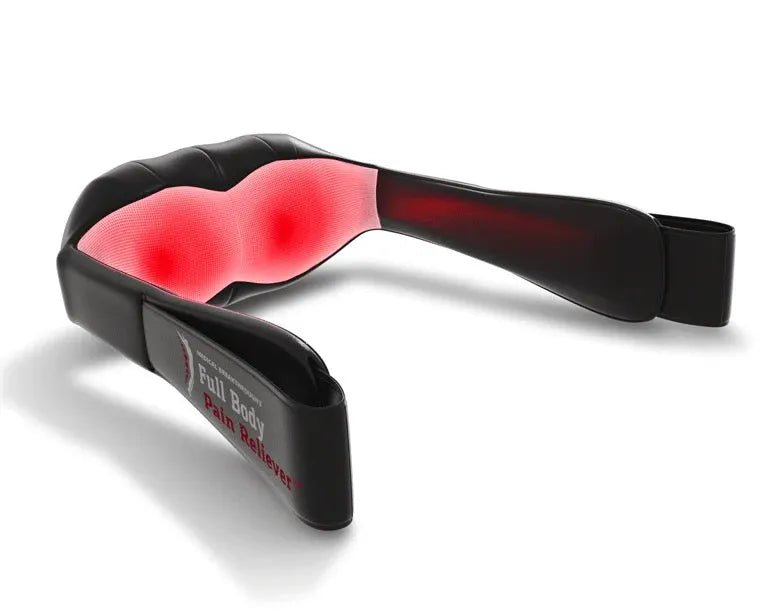
The science, made visible.
Light enters tissue
Red and near-infrared wavelengths travel to different depths. Wavelength, irradiance, distance, and time determine the delivered dose.
Cells absorb specific wavelengths
Cellular chromophores absorb photons, initiating signaling pathways rather than heating or damaging tissue.
Mitochondria support ATP production
The interaction can influence mitochondrial activity and cellular energy availability—the basis of photobiomodulation.
Recovery processes are supported
Downstream signaling may influence circulation, inflammatory pathways, tissue repair, and collagen synthesis. Outcomes depend on condition and protocol.
Your treatment protocol
Distance
Follow the product manualMoving closer increases irradiance; moving farther away reduces it.
Duration
Protocol-specificMore time is not automatically better. Dose has a useful range.
Frequency
Consistency over intensityUse the manufacturer's schedule and track your response.
Position
Expose the target areaKeep clothing and reflective barriers out of the treatment path.
Maintenance
Clean optics gentlyUnplug first; use only the cleaning method in the manual.
Use eye protection when the manufacturer recommends it. Photosensitizing medications and specific medical conditions can change suitability—consult a qualified clinician before use.
Individual results vary. This content is educational and is not medical advice. Follow the product manual and your clinician's guidance.
Renting recovery is the most expensive way to own nothing.
Spa day-passes are a subscription with no equity. Drag the sliders to see what your current habit costs — and how fast a home system pays for itself.