How to Design the Best Outdoor Retreat Space
Introduction
An outdoor retreat space transforms a backyard, patio, or garden into a personal sanctuary for relaxation, connection, and rejuvenation. Whether it’s a cozy corner for morning coffee or a full-scale wellness oasis, thoughtful design can turn any outdoor area into a peaceful escape. This guide explores how to design the best outdoor retreat space that balances comfort, style, and nature.

Step 1: Define the Purpose
Before choosing furniture or décor, identify the main purpose of the retreat. The design will differ depending on whether the space is meant for meditation, entertaining, reading, or simply unwinding.
Ideas by Purpose:
- Relaxation Zone: Lounge chairs, hammocks, and soft lighting
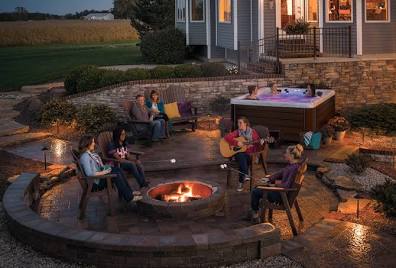
- Social Space: Dining set, fire pit, and ambient music
- Wellness Retreat: Yoga deck, water feature, and greenery
- Creative Corner: Shaded seating, art supplies, and natural inspiration
Step 2: Choose the Right Location
The ideal location depends on privacy, sunlight, and accessibility. A secluded corner of the garden or a shaded patio can create a sense of escape while remaining connected to the home.
Tips:
- Use natural barriers like hedges or bamboo for privacy
- Consider the direction of sunlight for comfort throughout the day
- Ensure easy access from the main living area
Step 3: Incorporate Natural Elements
Nature is the foundation of any outdoor retreat. Integrating organic materials and greenery enhances tranquility and connection to the environment.
Elements to Include:
- Plants: Mix tall trees, shrubs, and potted plants for depth
- Water Features: Fountains or small ponds for soothing sound
- Natural Materials: Wood, stone, and rattan for warmth and texture
Step 4: Focus on Comfort
Comfort transforms an outdoor space from functional to inviting. Choose weather-resistant furniture and soft textiles that encourage relaxation.
Comfort Essentials:
- Cushioned seating and throw pillows
- Outdoor rugs for warmth underfoot
- Shade solutions like pergolas, umbrellas, or canopies
Step 5: Create Ambiance with Lighting
Lighting sets the mood and extends usability into the evening. Layer different types of lighting for both function and atmosphere.
Lighting Ideas:
- String lights for a cozy glow
- Solar lanterns for eco-friendly illumination
- Pathway lights for safety and charm
- Candles or fire pits for warmth and intimacy
Step 6: Add Personal Touches
Personalization makes the retreat feel unique and meaningful. Incorporate décor that reflects individual style and enhances the sensory experience.
Personal Touch Ideas:
- Artwork or sculptures that complement the landscape
- Aromatic plants like lavender or jasmine
- Soft background music or wind chimes
- A small bookshelf or beverage station
Step 7: Design for All Seasons
A well-designed outdoor retreat should be enjoyable year-round. Plan for seasonal changes to maintain comfort and usability.
Seasonal Adaptations:
- Add heaters or fire pits for cooler months
- Use light fabrics and fans for summer comfort
- Choose durable, weatherproof materials
- Store cushions and accessories during harsh weather
Step 8: Embrace Sustainability
Sustainable design enhances both the environment and the experience. Choose eco-friendly materials and energy-efficient features.
Sustainable Choices:
- Reclaimed wood furniture
- Solar-powered lighting
- Native plants that require less water
- Recycled or biodegradable décor
Conclusion
Designing the best outdoor retreat space is about creating harmony between comfort, nature, and personal style. By combining thoughtful layout, natural materials, and sensory details, any outdoor area can become a sanctuary for relaxation and renewal. With the right balance of design and intention, the outdoors becomes not just an extension of the home—but a true retreat for the mind and body.

Written by Raphael Nwankwo