
The Science of Wellness: Why a Balanced Life Is Essential for Human Health
The Importance of Wellness for Humans: A Science-Backed Perspective
Introduction
Wellness is more than the absence of illness—it is a holistic state of physical, mental, and emotional balance. In recent years, wellness has become a central focus of modern living, supported by scientific research and expert insights. From improved longevity to enhanced mental clarity, prioritizing wellness is essential for a fulfilling and sustainable life.
Understanding Wellness
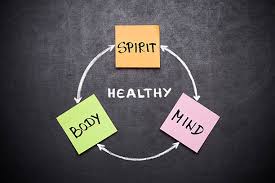
Wellness encompasses multiple dimensions: physical health, mental well-being, emotional stability, social connection, and spiritual fulfillment. The World Health Organization defines health as “a state of complete physical, mental, and social well-being,” emphasizing that wellness is an active pursuit rather than a passive condition.
The Science Behind Wellness
1. Physical Wellness
Regular physical activity, balanced nutrition, and adequate sleep are foundational to wellness. A 2018 study published in The Lancet Global Health found that individuals who engage in consistent physical activity reduce their risk of premature death by up to 30%. Exercise also supports cardiovascular health, strengthens the immune system, and improves cognitive function.
2. Mental and Emotional Wellness
Mental wellness is closely linked to physical health. Research from Harvard Medical School highlights that mindfulness practices, such as meditation and deep breathing, can lower cortisol levels and reduce symptoms of anxiety and depression. Emotional wellness—understanding and managing feelings—has been shown to improve resilience and interpersonal relationships.
3. Social and Community Wellness
Humans are inherently social beings. A long-term study from Harvard University, known as the Harvard Study of Adult Development, found that strong social connections are one of the most significant predictors of happiness and longevity. People with supportive relationships tend to experience lower stress levels and better overall health.
4. Spiritual and Purposeful Wellness
Having a sense of purpose contributes to overall well-being. A 2019 study in JAMA Network Open found that individuals with a strong sense of purpose had a lower risk of mortality and cardiovascular disease. Spiritual wellness—whether through religion, meditation, or connection with nature—provides grounding and meaning in daily life.
Expert Insights on Wellness
Dr. Deepak Chopra, Integrative Medicine Pioneer
“Wellness is not just the absence of disease; it is the dynamic expression of life. How joyful, loving, and energetic one feels.”
Chopra emphasizes the integration of mind-body practices, such as meditation and mindful movement, to achieve holistic health.
Dr. Andrew Weil, Founder of Integrative Medicine
According to Dr. Weil, “True health is more than the absence of disease; it is the presence of vitality.” His research supports the role of anti-inflammatory diets, stress reduction, and natural healing in maintaining long-term wellness.
Dr. Brené Brown, Research Professor and Author
Brown’s work on vulnerability and emotional health underscores that “connection is why we’re here; it gives purpose and meaning to our lives.” Her findings highlight the importance of emotional authenticity and self-compassion in achieving mental wellness.
The Global Wellness Movement
The global wellness economy has grown significantly, reflecting a shift toward preventive health and self-care. According to the Global Wellness Institute, the wellness industry surpassed $5 trillion in 2023, driven by increased awareness of mental health, fitness, and holistic living. This growth indicates a collective recognition that wellness is not a luxury—it is a necessity.
Practical Steps Toward Wellness
- Move Daily: Engage in at least 30 minutes of physical activity.
- Eat Mindfully: Focus on whole, nutrient-rich foods.
- Prioritize Sleep: Aim for 7–9 hours of quality rest.
- Practice Mindfulness: Incorporate meditation or journaling.
- Connect with Others: Build meaningful relationships.
- Find Purpose: Engage in activities that align with personal values.
Conclusion
Wellness is the foundation of human flourishing. Supported by science and championed by leading experts, it encompasses every aspect of life—from physical vitality to emotional balance and social connection. By embracing wellness as a daily practice, individuals can enhance their quality of life, build resilience, and contribute to a healthier, more compassionate world.

Written by Raphael Nwankwo