Resin vs. Steel Above Ground Pools: Which Lasts Longer?
The Material Debate: Engineering for Longevity
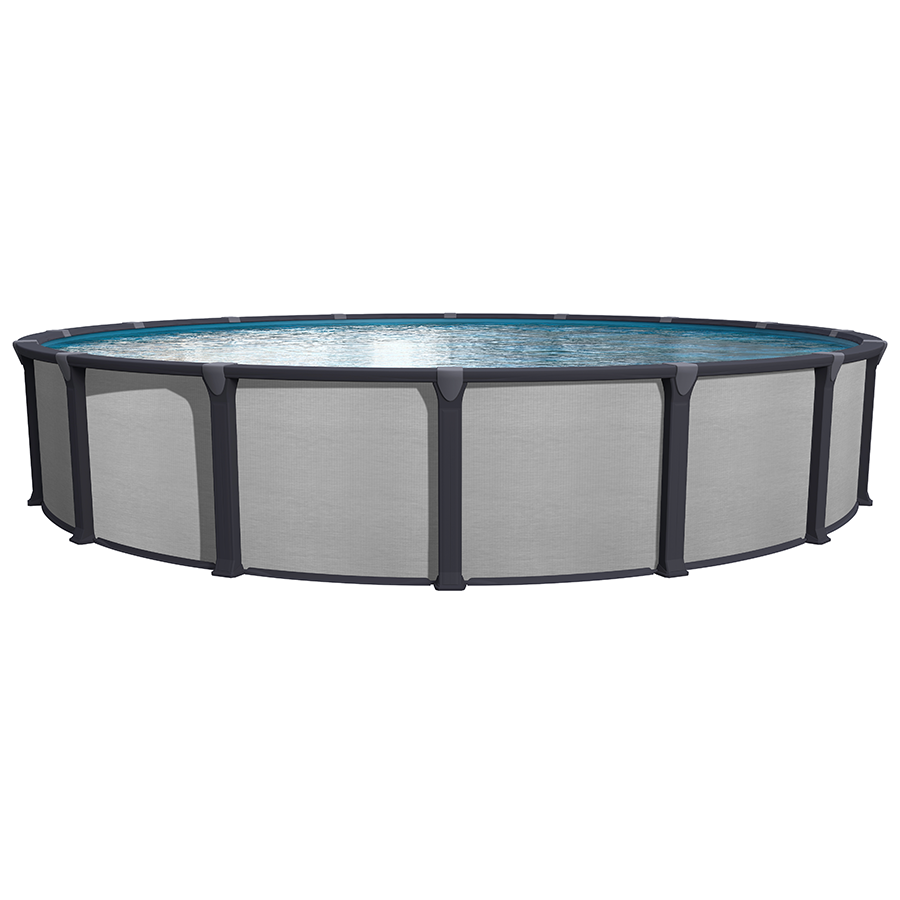
When investing in an above ground pool, choosing the right material for the structural components—the top rails, upright posts, and bottom tracks—is the most critical decision affecting service life. The main options are galvanized steel structures and advanced resin (injection-molded polymer) structures.
The Engineering Truth: Steel offers high tensile strength at a lower initial cost, but exposed cut edges or scratched coatings will eventually rust when exposed to moisture, soil acids, and pool chemicals. Advanced resin components are 100% rustproof and corrosion-proof, making them resilient against harsh weather, high humidity, and modern salt-water chlorination systems.
Structural Comparison Framework
-
Corrosion Resistance: Steel requires multi-layer protective coatings (such as hot-dipped zinc, aluminum, or resin sealants) to block moisture. Resin is inherently non-metallic; it cannot rust, pit, or corrode regardless of moisture exposure.
-
Thermal Performance: In direct summer sunlight, dark steel top rails absorb significant heat, making them hot to touch. Resin rails stay cooler under sunlight and resist UV degradation thanks to modern UV-inhibitor additives.
-
Structural Rigidity: High-gauge corrugated steel walls provide the structural container for water weight in bothpool styles. However, resin top rails and upright posts absorb impact and flex slightly during ice expansion without taking permanent structural dents.
-
Salt-Water System Compatibility: Salt chlorination creates an electrolytic environment that rapidly accelerates the oxidation (rusting) of steel components. A resin-frame pool (or a hybrid model with resin components and a protected steel wall) is mandatory if you plan to install a salt-water system.
Material Performance Comparison
Pro-Tips for Maximum Service Life
-
Check the Protective Coatings: If selecting a steel-framed pool, look for hot-dipped galvanization topped with a heavy-duty resin or poly-epoxy coat.
-
Inspect the Bottom Track: The bottom track sits directly on the ground in a high-moisture zone. Choosing a hybrid pool with resin bottom tracks and uprights prevents ground-level rust even if you choose steel top rails.
-
Protect Wall Cuts: Whenever cutting openings for the skimmer or return jets into a steel pool wall, coat the raw exposed metal edges immediately with a rust-inhibiting zinc primer.
Structural Options Available
-
Full Steel Systems: Classic entry-level option, ideal for budget-conscious installations using standard chemical maintenance.
-
Hybrid Systems: Steel wall with resin top rails and uprights—combines structural strength with corrosion protection where it matters most.
-
All-Resin Systems: Flagship durability; complete immunity to rust, ideal for salt systems and extreme winter climates.
Article 4: Best 54-Inch Above Ground Pools for Cold Winters
Meta Title: Best 54-Inch Above Ground Pools for Cold Winters | Buyer's Guide
Meta Description: Discover top-rated 54-inch above ground pools built to handle deep freeze cycles, heavy snow loads, and extreme winters. See our engineering top picks.
Deep Water & Cold Climate Engineering
A 54-inch wall height is the modern gold standard for above ground pools. It provides a deeper water level (48 to 50inches of actual water depth) for comfortable swimming while keeping the top rails high off the ground. However, in cold climates like Canada and the northern US, a deep pool must handle heavy top-ice loads and lateral freezing stress.
What to Look For: The best cold-weather pools feature heavy-gauge corrugated steel walls, extra-wide top rails (10 to 12 inches) to resist ice compression, resin vertical posts, and heavy-duty wall joints that will not shear under thermal contraction.
Top Cold-Weather Engineering Features
-
12-Inch Oversized Resin Top Rails: Wide top rails act as a structural crown, holding the wall frame rigid against heavy snow accumulation on the cover.
-
Deeply Corrugated Steel Walls: Corrugation adds architectural strength to thin-sheet steel, allowing the wall to flex slightly under hydrostatic pressure without buckling.
-
Interlocking Resin Bottom & Top Tracks: Non-corrosive tracks hold the pool's radius true, even when freeze-thaw cycles cause minor ground heave beneath the sub-base.
-
Premium Wall Coatings (Krystal Kote / Silvermist): Advanced multi-layer coatings lock out moisture, protecting the core steel from road salt spray, rain, and snow build-up.
Model Selection Matrix for Northern Climates
Cold Climate Pitfalls to Avoid
-
Buying Undersized Top Rails: Thin 6-inch metal rails easily bow under severe snow weight on winter covers. Opt for 10-inch or 12-inch rails in northern regions.
-
Draining Too Much Water: Never drop the water level more than 20 inches below the skimmer in winter. The ice sheet inside the pool needs water beneath it for support; if drained too low, the heavy suspended ice sheet will collapse and pull the pool walls down with it.
-
Neglecting Winter Cover Pillows: Skipping an air pillow allows a solid block of ice to form clear across the surface, expanding directly into the steel walls. An air pillow absorbs this central contraction.
Flagship Cold-Weather Package Components
To build an above ground pool setup that lasts through northern winters, look for these features:
-
Trendium Vibe Soho 54" Resin-Frame System (12" Resin Rails / Silvermist Wall)
-
25-Mil Cold-Cracked Tested Heavy-Duty Liner
-
Armor Shield 250gm Needle-Punched Floor Pad (Protects against frost heave puncture)
-
Rugged Commercial Winter Cover Kit with Steel Cable Tightener
-
High-Flow Skimmer with Freeze-Protection Plug Assembly

Written by Raphael Nwankwo